With our breakfast gulped down, dishes done, bags packed and armed with high hopes and imagination, we sped away from Macas in search of the Sangay National Park road and the opportunity to spot the explosive activity currently coming from the Sangay Volcano.
(Spoiler alert – our hopes were dashed.)
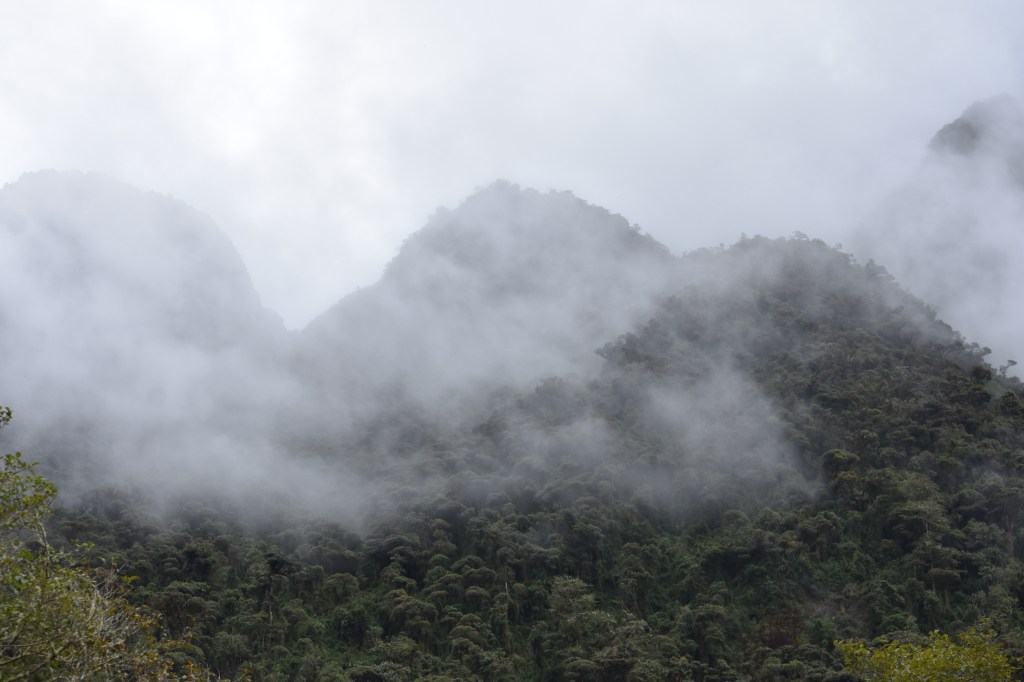
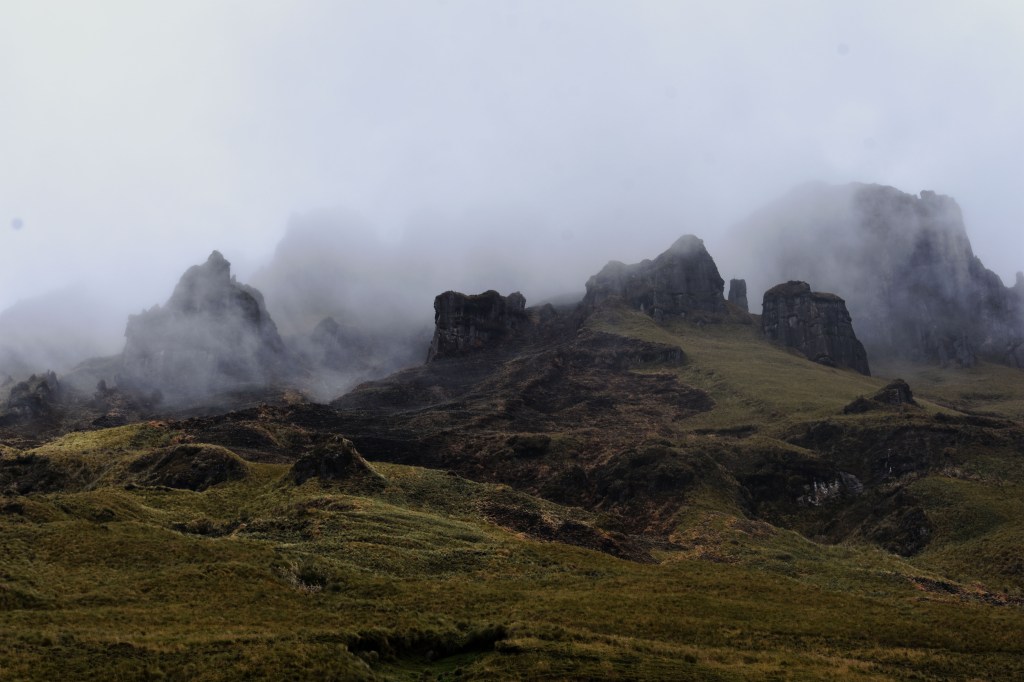
Sadly, we never did have the pleasure of viewing the volcano’s explosive activity. For two days we attempted to find the veiled peak, but unfortunately, the low clouds obscured, like a negligee tease, the glacier from our view. A lamentable loss, yet I never once had a moment to wallow in disappointment.
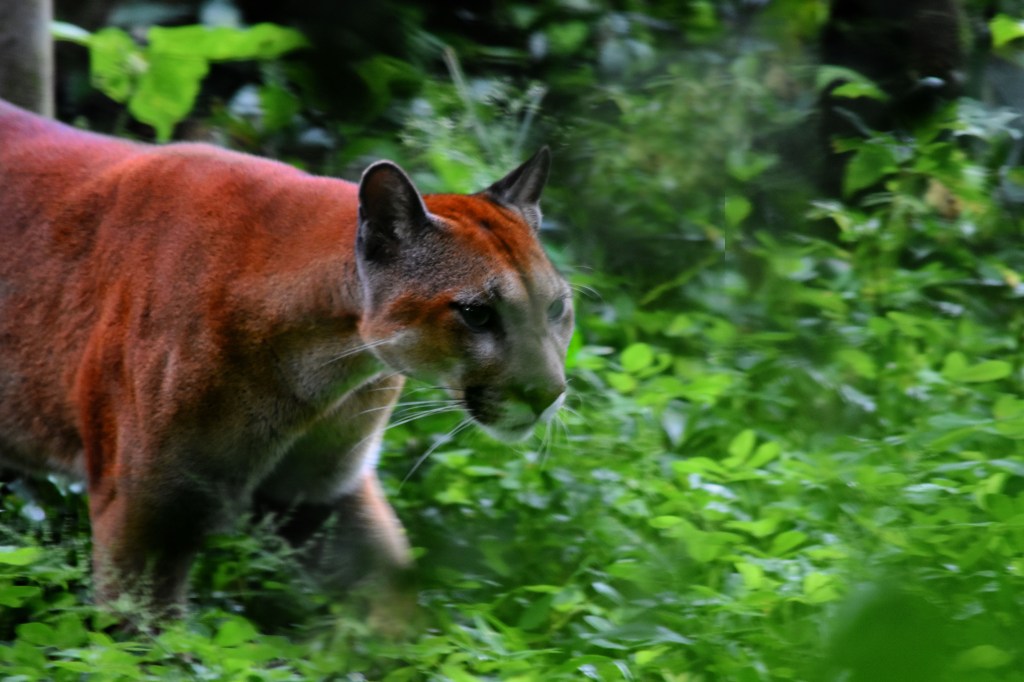
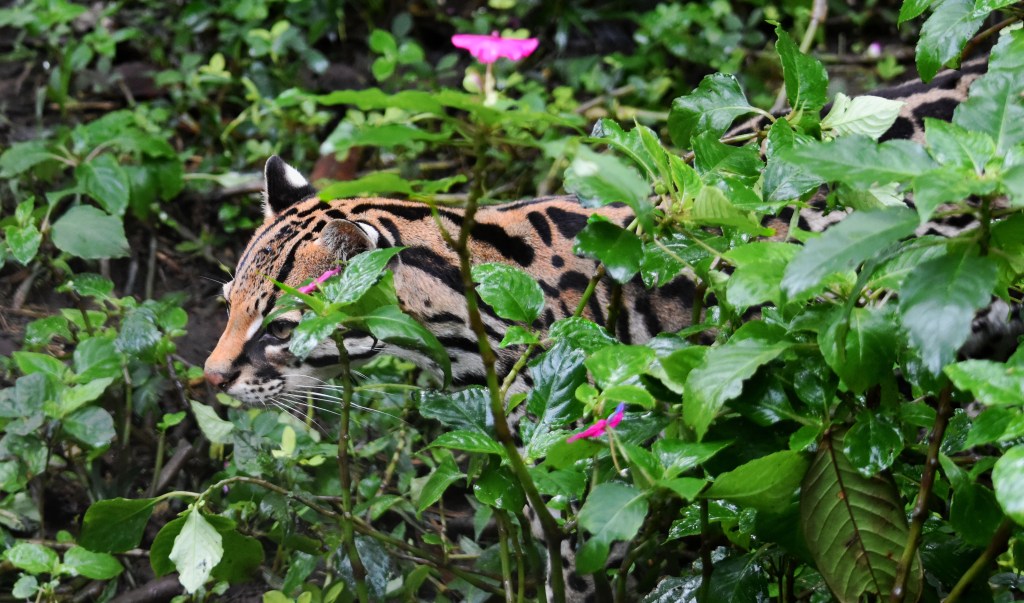
One might think it was my Pollyanna excitement regarding life’s offerings or the fabulous mountain and valley views that granted us glimpses of the jungle wildlife that overrode any sense of losing out.
But, oh, no, no, no it was not the joy of seeing such an amazing environment. Rather, I was much too overwhelmed by and focused on my instinct for SURVIVAL! And although my mind had conjured up images of jeopardous spewing lava and falling ash, this was not at all the source of this primal response.
So what caused me such deep anxiety? Well, heck, where do I start?
Landslides:
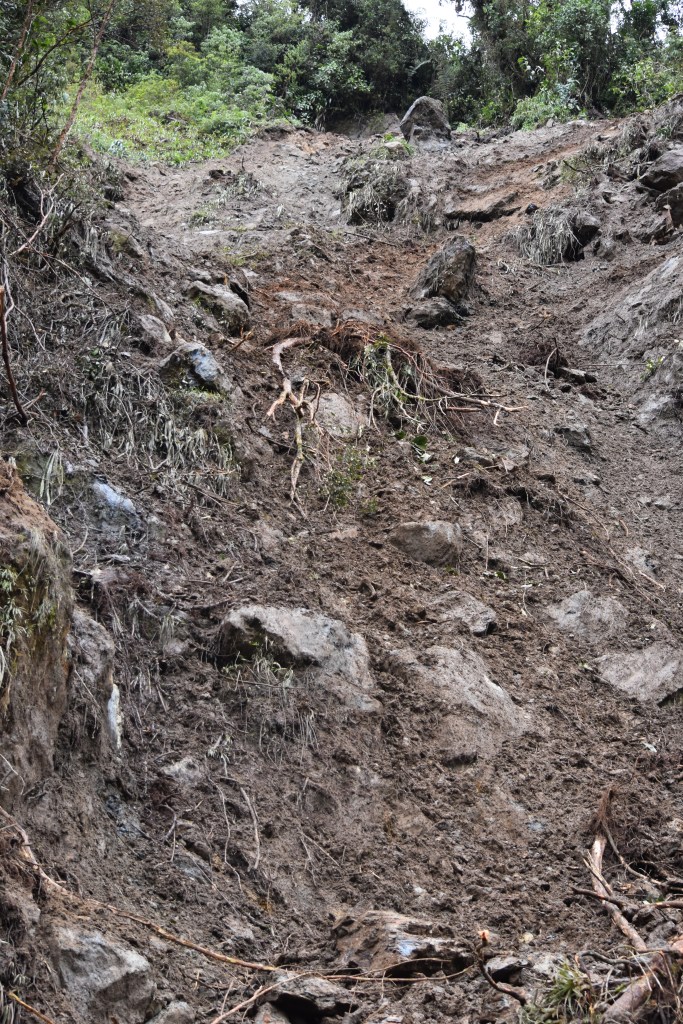
Close your eyes for a moment and visualize driving on a narrow, two lane road where on one side of the pavement the mountain is rising hundreds of feet and on the other side, cliffs fall away so steeply that all one can see are the flowing clouds, creeping over the road eclipsing an emptiness you do not wish to fill.
Besides crashing into a ravine, what you are seeing in your mind’s eye is the mountain road traversing from Macas to Alausi.
Despite any alarm bells such a road creates, our drive was going smoothly until I began noticing large rocks, 1 to 2 feet in diameter, strewn over the road creating a boulder garden (not unlike those I would encounter when I used to kayak) through which one had to navigate. At first, I was able to ignore the possible dangers, rationalizing that it would take a direct hit to the roof of the truck to cause serious injury. My unfounded reasoning worked well until the “large rocks” morphed into boulders twice the size of our truck! Though more uneasy, I still figured the odds of being directly plowed into was not much different than being eaten by a shark while surfing (which has certainly never dissuaded me from the sport). However, further up the road we were forced to drive around even larger boulders while simultaneously squishing through thick mud, covering both lanes for 100 feet, give or take.
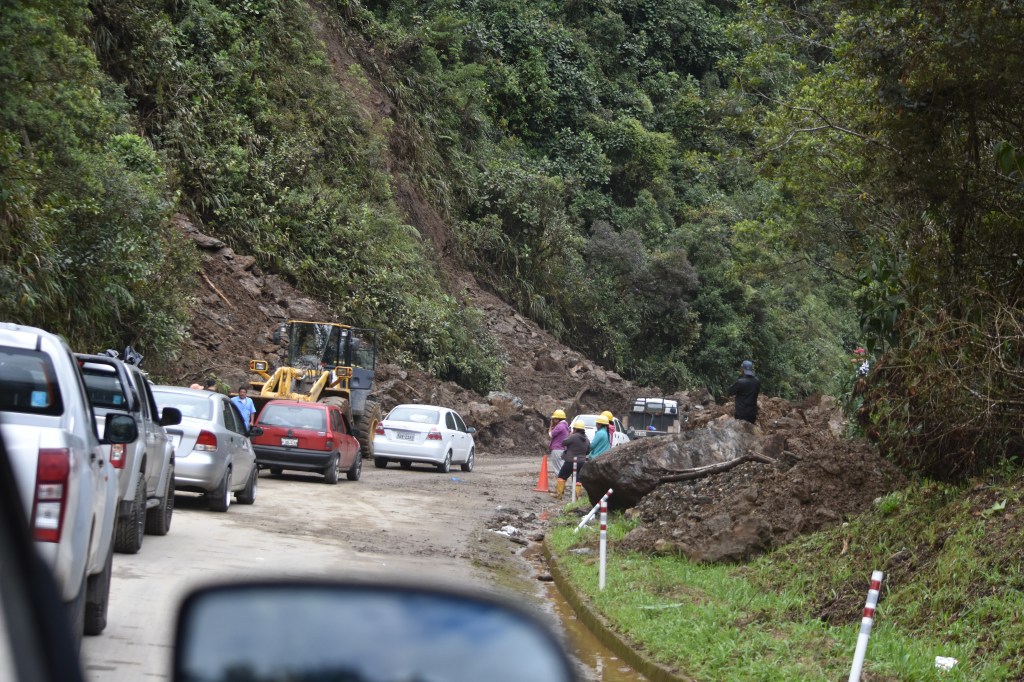
At one point, we had to wait, along with other motorists, about an hour for the highway to be cleared of the debris left behind by a mega landslide that, while on its way to the valley floor, buried the road and anything on it. It began to dawn on me that the odds of not being pushed over the edge by mud, ripped out trees and boulders were becoming more like those of a hot-blooded gambler in Las Vegas taking on the cool headed, house dealer. (In Ecuadorian news just the last two days – a bus crushed by HUGE boulders and a car impaled by a sliding tree. The odds were not in their favor.)
Missing Asphalt:
Until this trip I hadn’t really thought about the fact that landslides do not occur only on the rising walls above the road. Though unseen, they also occur on the underside of the pavement, causing large chunks of the road, 10 to 15 feet in length and 3 to 8 feet in width to fall into an abyss. In some places whole car lanes were missing! I couldn’t help but ponder – was there a motorist with his family, child safely locked in his car seat or bus full of slumbering people on the road when the earth collapsed from beneath the vehicle? Equally as troubling, there is little to no warning of hazards ahead. No bright, red flags or glaring, flashing lights. Nor are there any yellow vested workmen directing traffic flow. Nope, at best you will see a mound of dirt to alert you. And if your vehicle careens over the edge there’ll be no surviving. For if the fall doesn’t kill you (which, trust me, you’ll hope it does), the boulder-filled landslide tombstone which follows will complete the task. Yet even this was nothing compared to what was to come the next day while heading down the other side of the mountain.
Unrelenting, Dense Fog:
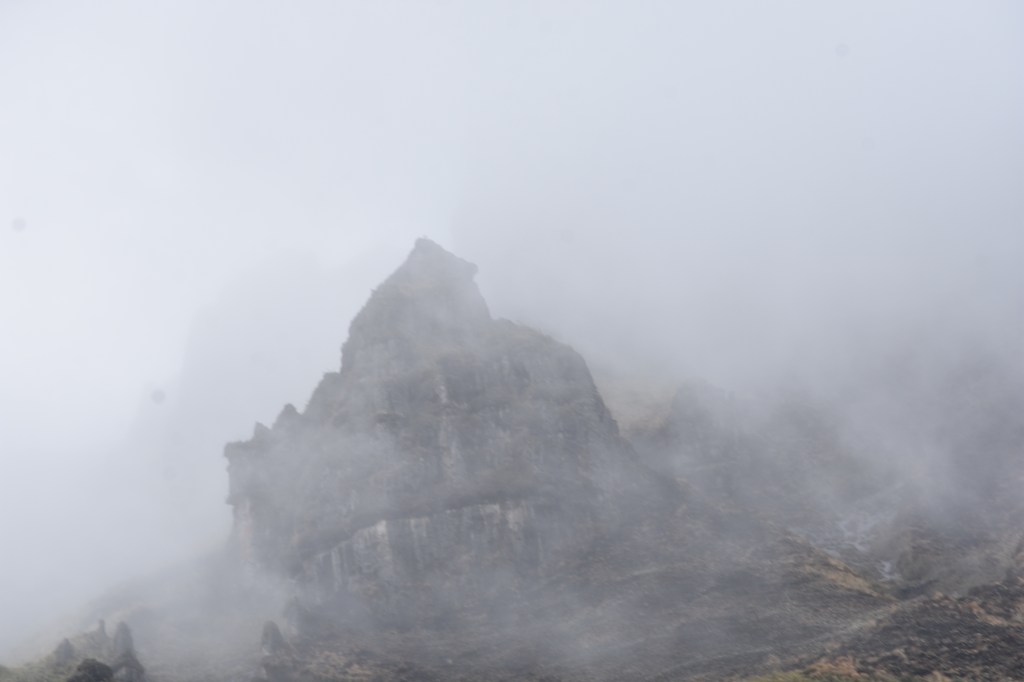
Driving in intense fog is nothing new to me. However, doing so when on unfamiliar, twisting asphalt that hovers over a gorge is a recipe for the worst of nightmares. To add to my discomfort, I was a passenger in the back seat, so consequently had no control over the situation. I was in capable hands, but that only granted my mind free time to cogitate on all the hair-raising possibilities.
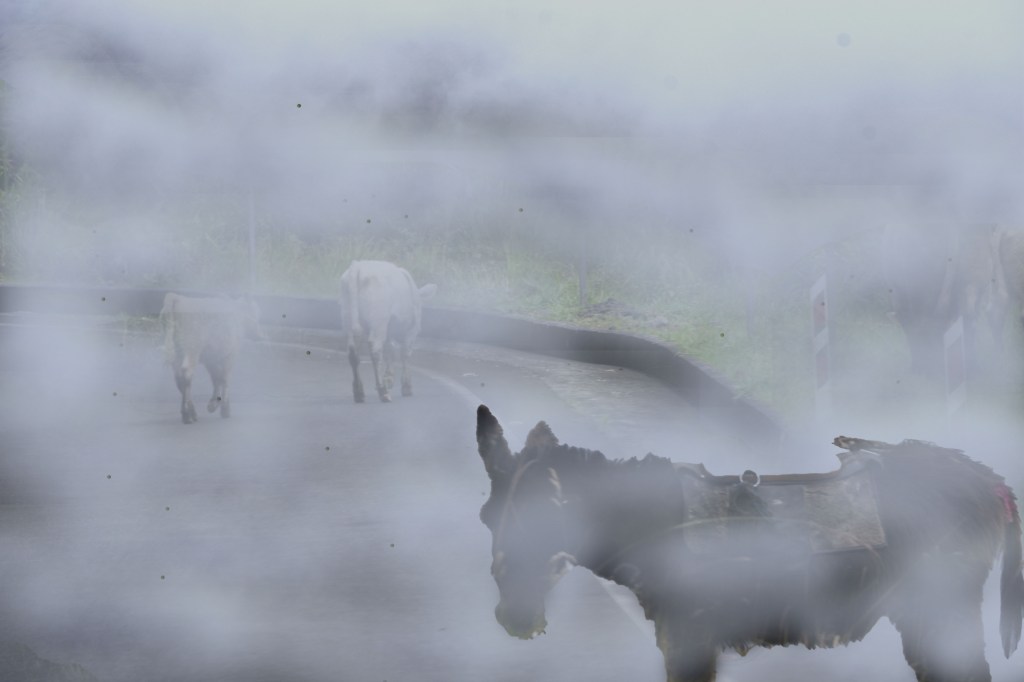
Is there another boulder laying in the middle of the road? A stopped car? A wayward cow or donkey? Or worse, is there even a road at all or has it dropped off leaving nothing but an insatiable cavity?
My angst was nearly overwhelming as the hours of blind driving snaked by. Yet, stone boulders, roaming animals, deer in the headlight drivers, collapsed roads and thick fog were not nearly as scary as the dense-headed drivers, those who showed no restraint or reasonable fear of the blinding fog. They could not see one whit better than we could, yet they’d fly by, driving on the oncoming traffic side of the road as if it were a clear day on a 4-lane divided highway where they could see forever. Hairpin curve? No worries for them – it’s not like they could see it coming. And, so, every few moments there’d be a blur on the driver’s side of the truck as something whooshed by with total disregard for what lay ahead. Unfriggen’ (not the word that was actually screeching through my mind) believable.
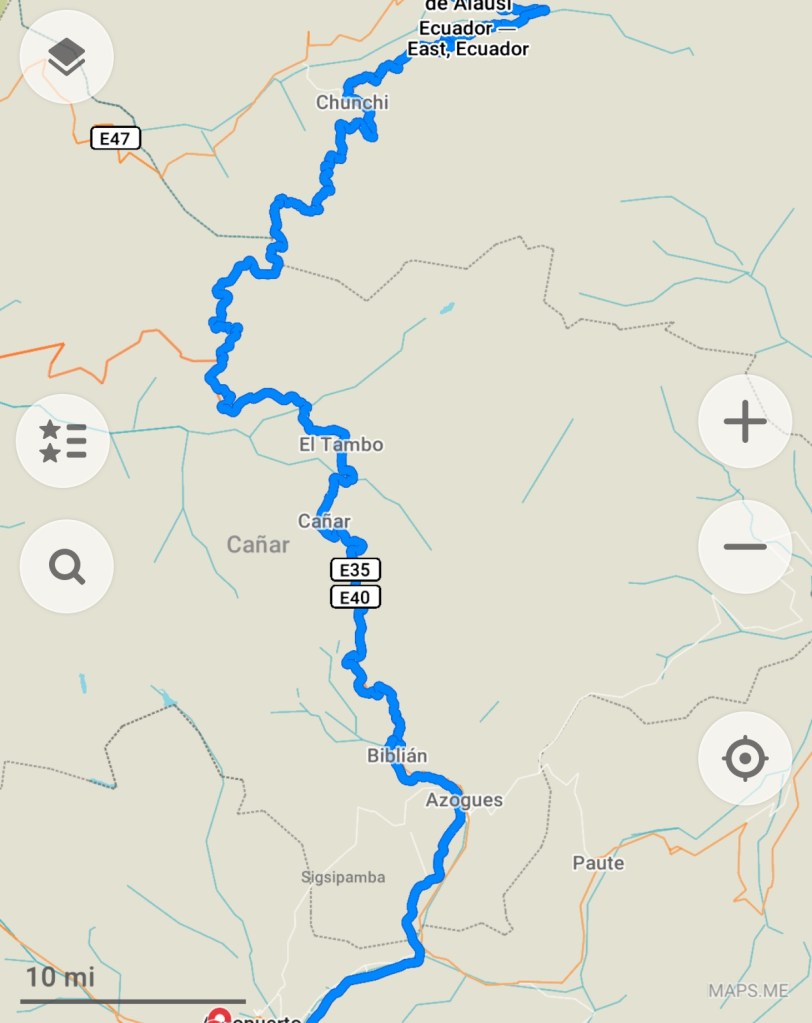
Thanks to Brent’s skilled driving, Mercy’s navigational use of Google maps giving pre-warning of upcoming curves, and despite Jan’s yelps and my gasps, we arrived in Cuenca safely unscathed.
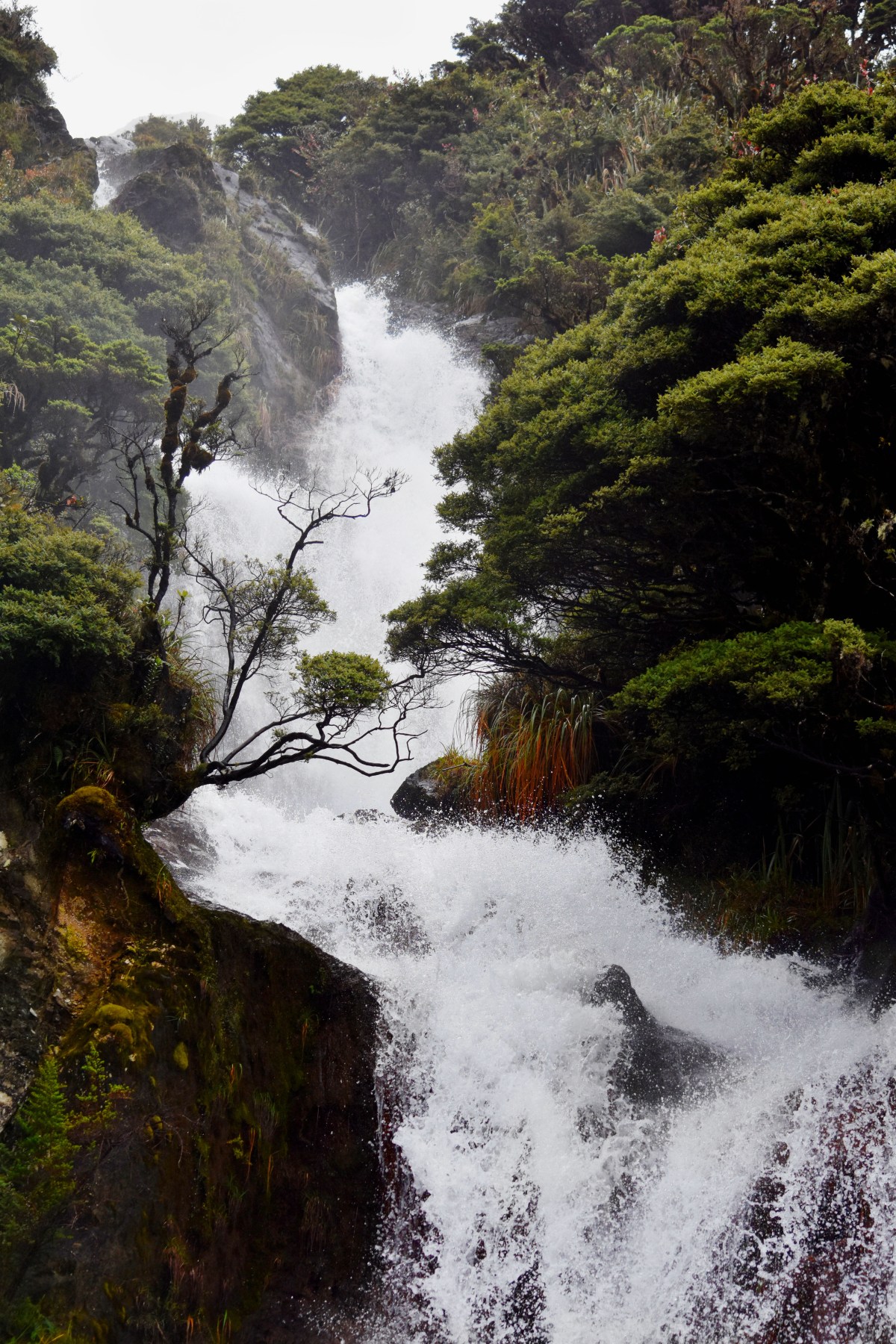
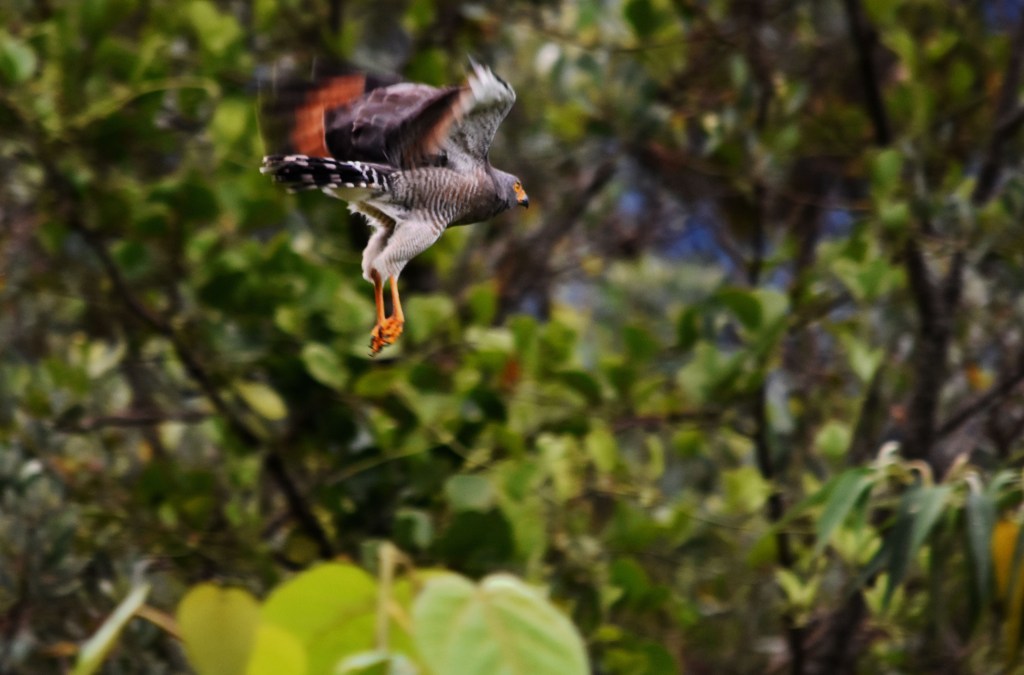
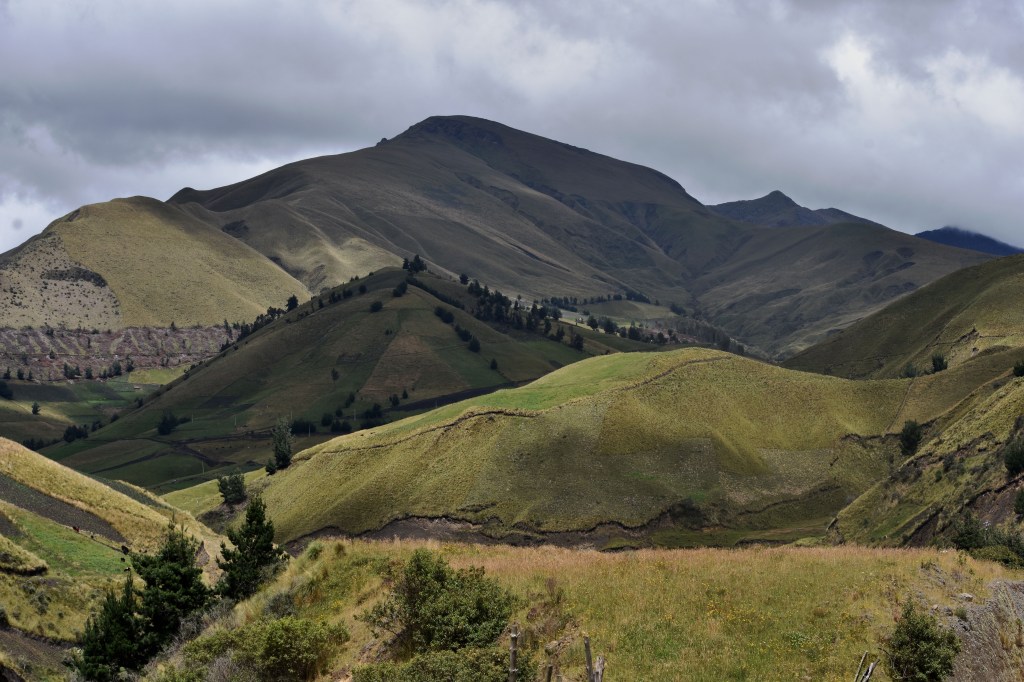
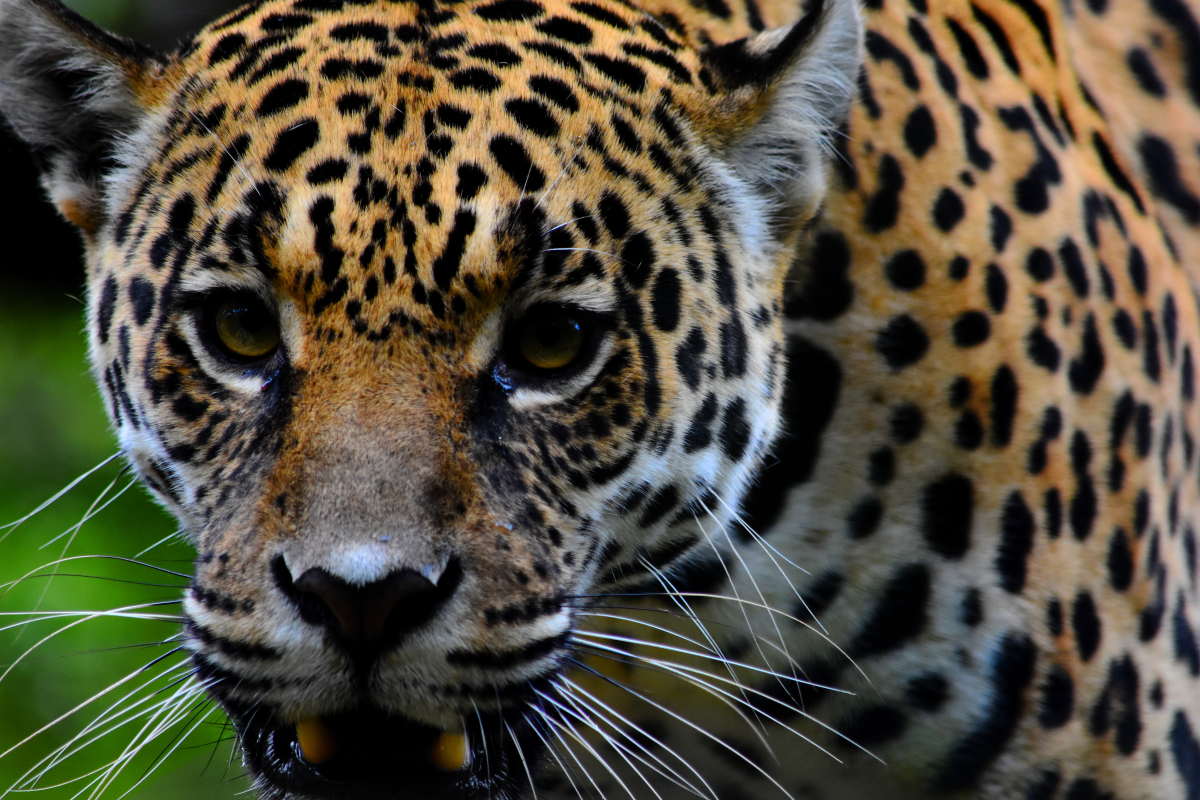
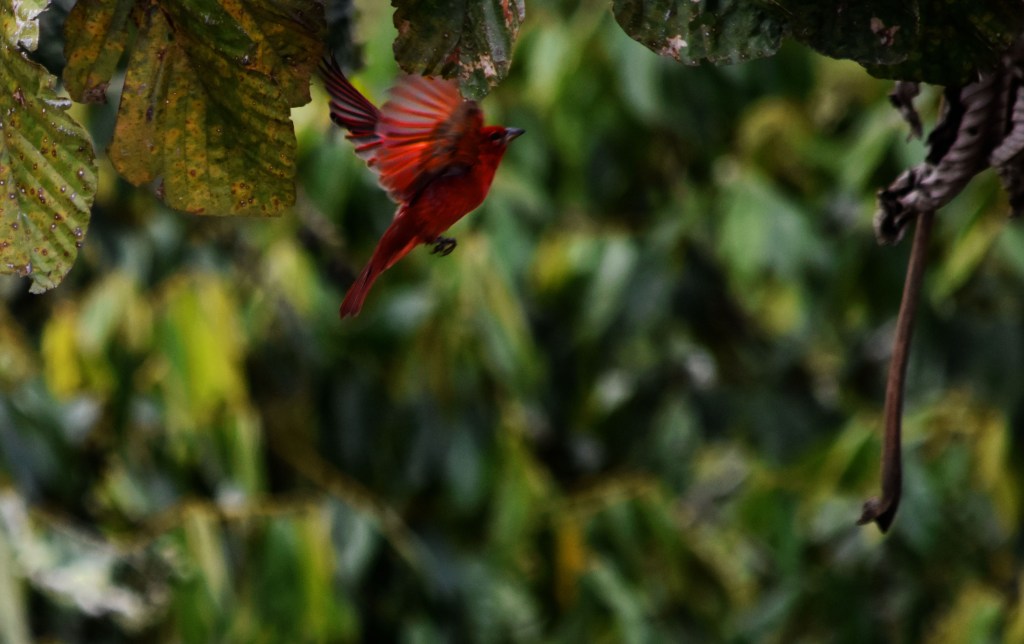
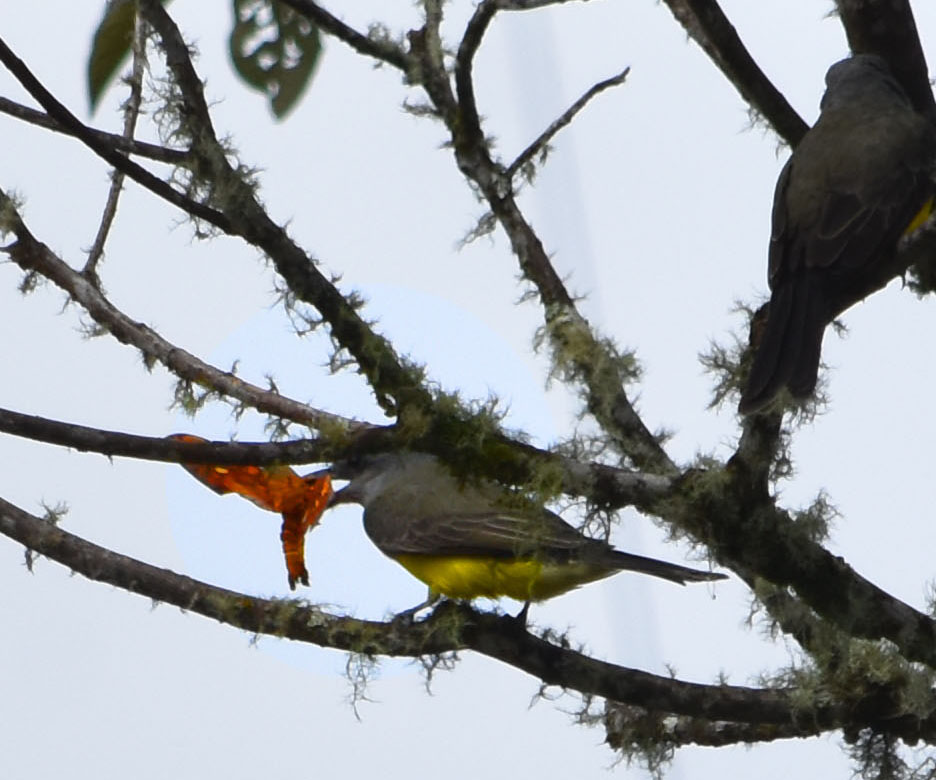
Now, one might surmise from my account that I did not have a fabulous time while traveling through Sangay National Park. This deduction, though completely reasonable, would be in error. Honestly, the views, when we had them, were astounding and outweighed my desire for safety. Sadly, my camera’s lens can’t even come close to representing for you what my eyes beheld: towering walls, intimidating cliffs, colorful birds flittering on limbs of unfamiliar trees and countless waterfalls, their sounds calling me to venture off the road to discover their secretive, quiet pools. It was totally worth the risk
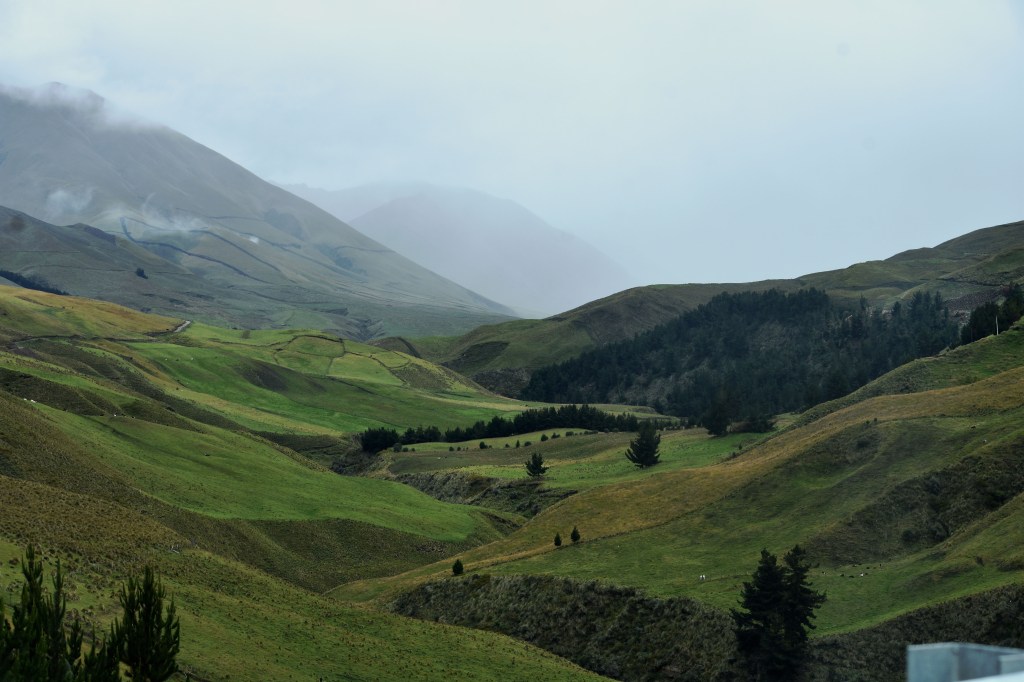
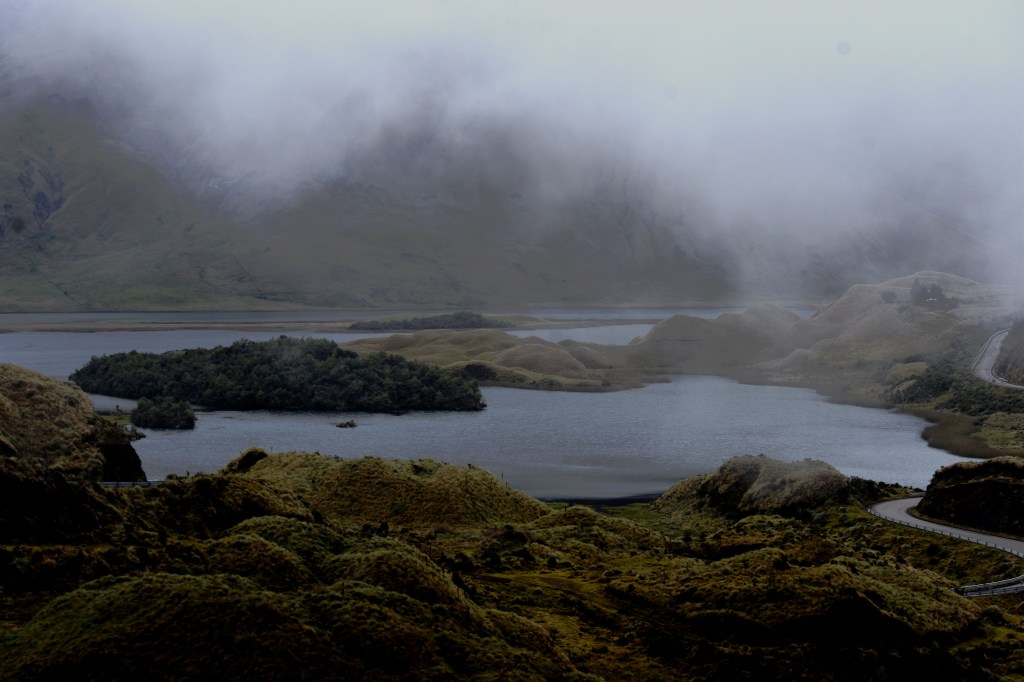
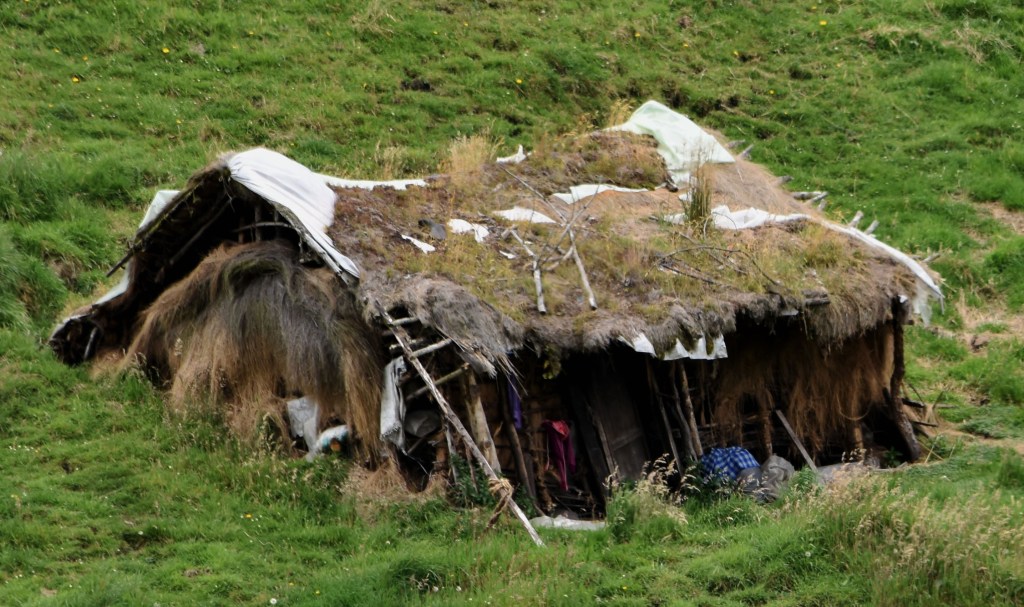
(And if you are still drawn (and I hope you are) to the Sangay National Park, make sure your life insurance is paid up and you’ve made amends with anyone you might have offended.)


 Explorations of an Earlybird